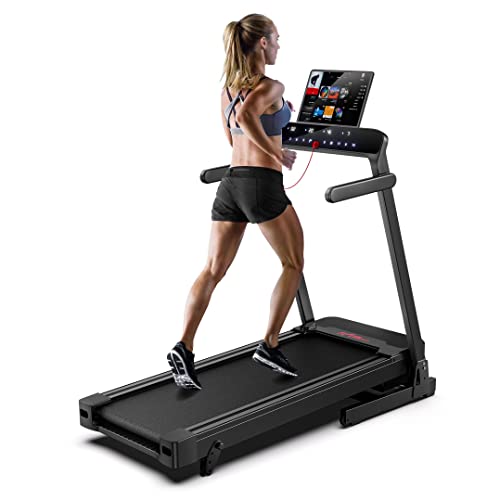
The Treadmill: A Comprehensive Guide to Understanding and Utilizing This Fitness Machine
Treadmills are a staple in health clubs and homes alike, serving as an efficient tool for cardiovascular workout. With their flexibility and range of features, treadmills deal with users of all fitness levels. This post explores the ins and outs of treadmills-- covering their benefits, types, usage suggestions, maintenance, and much more.
The Benefits of Using a Treadmill
Making use of a treadmill can offer numerous health advantages, making it a popular choice amongst physical fitness lovers. Below are some crucial advantages:
- Cardiovascular Health: Regular treadmill use can enhance heart health by increasing aerobic capacity and cardiovascular endurance.
- Weight Management: Treadmills enable users to burn calories efficiently, helping in weight-loss or management.
- Convenience: With the ability to exercise inside your home, treadmills eliminate ecological barriers, like weather and time constraints.
- Flexibility: Users can control speed, incline, and workout period, allowing them to tailor their workout regimen to fit their requirements.
- Joint Impact: Many modern-day treadmills provide cushioning, which can reduce the influence on joints compared to working on tough surface areas.
This comprehensive guide takes a look at the different kinds of treadmills and what features to consider when buying one.
Kinds of Treadmills
Selecting the right type of treadmill depends upon private fitness objectives, budget, and readily available space. Here are the different ranges:
1. Handbook Treadmills
- Definition: These treadmills operate without motors; users power the belt through their motions.
- Benefits: Typically more cost effective and energy-efficient.
- Disadvantages: Limited functions and less stability compared to motorized alternatives.
2. Motorized Treadmills
- Definition: Equipped with motors to control belt speed and slope.
- Advantages: Versatile includes like predetermined programs and digital displays.
- Downsides: More expensive and need electrical outlets.
3. Folding Treadmills
- Meaning: Treadmills that can be collapsed to conserve space when not in use.
- Advantages: Ideal for those with restricted space.
- Downsides: May not be as durable, depending upon the model.
4. Commercial Treadmills
- Meaning: High-quality, heavy-duty machines developed for frequent use in health clubs.
- Advantages: Built to endure rigorous exercises with functions fit for diverse training requirements.
- Disadvantages: Generally more expensive and larger.
5. Smart Treadmills
- Meaning: Treadmills equipped with smart innovation that tracks exercises and offers virtual training.
- Benefits: Interactive features boost the user experience.
- Drawbacks: Higher expenses and potential for technical issues.
Features to Consider When Buying a Treadmill
When purchasing a treadmill, it's essential to evaluate its functions according to individual requirements and budget. Essential features consist of:
- Motor Power: Measured in horsepower (HP); a motor in between 2.0-- 3.0 HP is suitable for most users.
- Running Surface: The belt size need to accommodate your stride. A surface of at least 20" x 55" is typically recommended.
- Incline Options: Look for a treadmill offering different incline levels to imitate outdoor running and boost workout intensity.
- Weight Capacity: Ensure the treadmill can support the user's weight; most can accommodate weights between 250 pounds and 400 lbs.
- Cushioning: Good quality cushioning impacts walking or running convenience and can assist avoid injuries.
- Foldability: If area is a problem, think about a treadmill that can be folded.
- Technology: Features like heart rate monitors, workout programs, and Bluetooth connection can improve the user experience.
Table: Key Features and Considerations
| Feature | Significance |
|---|---|
| Motor Power | Vital for consistent performance and user weight capacity. |
| Running Surface | Effects user comfort and stride length; larger surfaces are better for taller individuals. |
| Slope Options | Enables varied workouts and targets different muscle groups. |
| Weight Capacity | Crucial for safety and durability; select a model that supports your weight. |
| Cushioning | Lowers joint impact and makes workouts more comfortable. |
| Foldability | Essential for users with limited area. |
| Innovation | Improves exercise experience and can use important tracking information. |
Tips for Effective Treadmill Workouts
To optimize the advantages of utilizing a treadmill, think about the following suggestions:
- Warm-Up and Cool-Down: Always start with a 5-10 minute warm-up and finish with a cool-down to prevent injury.
- Vary Your Workouts: Mix walking, running, and running to keep things interesting and work various muscle groups.
- Incorporate Incline: Use slope settings to challenge yourself and increase calorie burn.
- Stay Hydrated: Keep water close-by to remain hydrated during your workouts.
- Listen to Your Body: Pay attention to any pain or fatigue; rest when essential.
Treadmill Maintenance Tips
To guarantee durability and ideal efficiency of a treadmill, routine maintenance is vital. Key maintenance practices consist of:
- Lubrication: Frequently oil the running belt for smoother operation.
- Cleaning: Wipe down the machine after each usage to prevent dust and sweat buildup.
- Tightening up: Regularly check and tighten loose bolts or screws.
- Examine the Belt Alignment: Ensure the belt is aligned appropriately, adjusting as needed for even wear.
Often Asked Questions (FAQs)
1. How frequently should I use a treadmill for weight-loss?
Using a treadmill for at least 150 minutes of moderate-intensity aerobic exercise each week can add to weight reduction.
2. Can I walk on a treadmill every day?
Yes, walking on a treadmill daily can be advantageous; however, including rest days is recommended to prevent overuse injuries.
3. What should I use when utilizing a treadmill?
Decide for comfortable, moisture-wicking clothing and supportive footwear to improve your workout experience.
4. Is it much better to walk or work on a treadmill?
Both walking and running deal unique benefits; the best choice depends upon your physical fitness level, objectives, and personal choice.
5. Exist particular treadmills designed for small spaces?
Yes, folding treadmills and compact designs are ideal for small areas. Always examine Treadmill At Home before buying.
The treadmill remains a versatile and extensively utilized piece of fitness equipment. Its blend of convenience, versatility, and effectiveness makes it suitable for users ranging from beginners to experienced professional athletes. By comprehending the different types and features, along with integrating varied workouts, users can maximize the benefits of their treadmill routine. Whether for cardiovascular training, weight-loss, or simply preserving an active lifestyle, treadmills supply a trusted opportunity for attaining physical fitness goals.